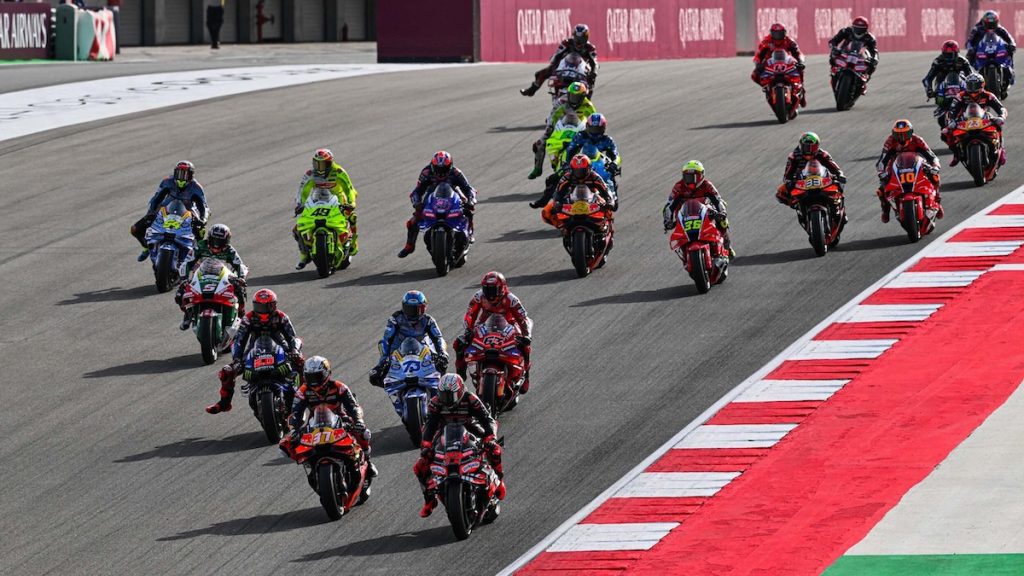

The Portugal GP is now locked in through 2029, with a new three-year agreement between MotoGP and the Algarve International Circuit keeping the sport at Portimão for at least three more seasons. The track has gone from a comeback date to a genuine calendar fixture in a remarkably short window.
How the Portugal GP Built Its Case at Portimão
Portimão debuted on the calendar in 2020, marking MotoGP’s first return to Portugal since 2012. A second race followed in 2021, and by 2023 the circuit had secured a permanent calendar slot rather than a one-off appearance.
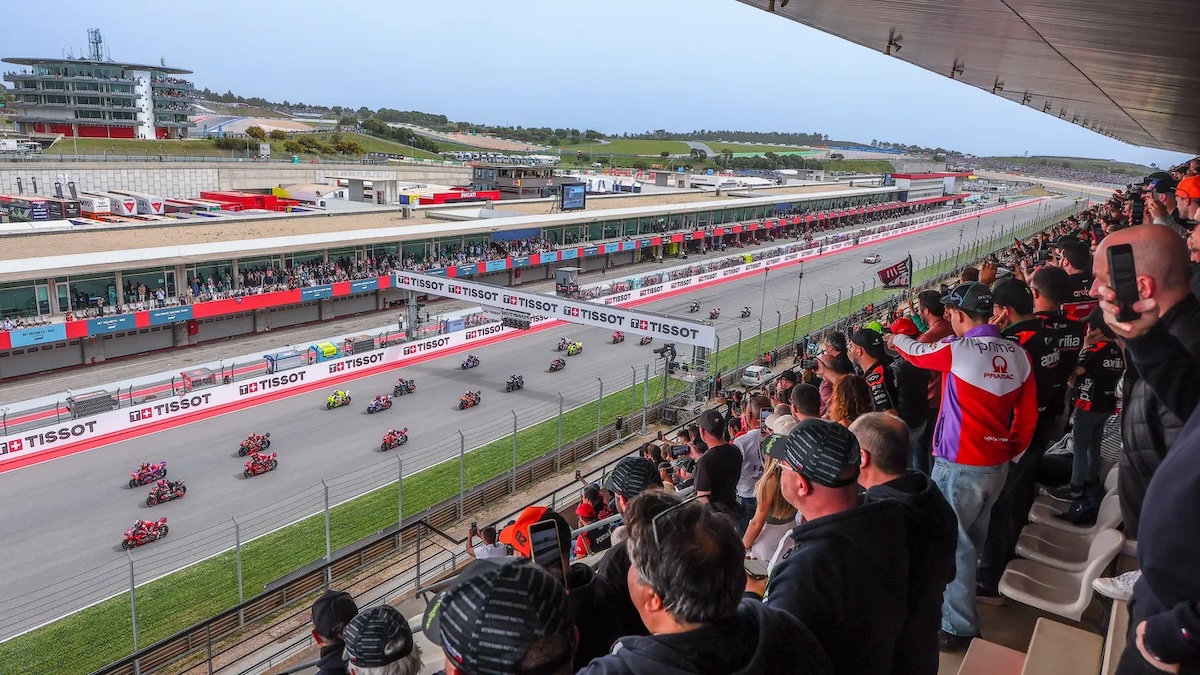
The 2025 Portugal GP drew more than 166,000 fans across the weekend, a new attendance record for MotoGP at the venue. Going from a single comeback date to a genuine record crowd in five years is a faster growth curve than most modern circuits manage.
“The three-year extension of the MotoGP contract ensures that Portugal and the Algarve will consolidate their place on the map of the major global sporting events,” said Jaime Costa, CEO of the Algarve International Circuit.
MotoGP Deputy CEO Carlos Ezpeleta echoed that momentum, calling Portimão’s layout “demanding” and crediting it with producing “unforgettable racing” since joining the calendar. Coming from the two organizations directly responsible for staging the event, that language reads as more than routine contract-renewal boilerplate.

The Portugal GP Sets Up a Loaded November Race
This year’s Repsol Portugal GP runs November 20 through 22, with championship leader Jorge Martín (Aprilia Racing), seven-time champion Marc Márquez (Ducati Lenovo Team), and 2025 race winner Marco Bezzecchi (Aprilia Racing) all on the grid. That’s the same Márquez who’s spent this season sweeping race weekends across Europe, making the return to a track that’s already produced a genuine record crowd worth watching closely.
Portugal’s tourism officials are treating the extension as more than a sports contract. Pedro Machado, the country’s State Secretary for Tourism, called it “a sign of confidence in the country’s future,” while Algarve Tourism President André Gomes pointed specifically to the race’s late-November timing, outside peak season, as a deliberate tool for building the region into a year-round destination.
That off-peak scheduling detail matters more than it might sound like on paper; a major sporting event that fills hotel rooms in late November does something a summer event never could for a destination trying to smooth out its tourism calendar.
The extension follows a broader pattern of MotoGP formalizing its longer-term European footprint, including broadcast rights locked in across Spain and Portugal through the next decade. Stacking a race-hosting agreement on top of a broadcast deal that already runs into the 2030s gives the Portugal GP a genuinely unusual level of long-term certainty on the calendar.
A circuit that didn’t have a modern MotoGP date until 2020 just posted the sport’s biggest crowd at that venue and locked in three more years on the strength of it. That’s a faster path from newcomer to fixture than most tracks manage in twice the time.

About The Author