
Every great rider starts somewhere, and for most kids in most countries that somewhere has been hard to find. The MotoGP Academy, announced October 21, is MotoGP’s plan to change that with a global network of racing schools working under one seal, and it adds a new piece to the Road to MotoGP.
MotoGP says the seal goes to racing schools and institutions that meet its standards for infrastructure, training methodology, technical execution and brand visibility. The goal is a network that reaches regions where the sport has little presence today and gives young riders a trusted place to learn.
How the MotoGP Academy Seal Works
Each Academy will carry the name of its nation, region or continent, the same way the FIM MotoMini World Series does. Bigger markets can have several Academies, and smaller ones get a single national hub. In return, schools receive tailored toolkits, activation support, branding and discounts on MotoGP products.
The Academies are also meant to act as local hubs, promoting two-wheel racing and bringing the championship closer to fans. Key markets and regions with the most room to grow are the stated focus, and the first Academies named will show where MotoGP sees the next generation coming from.
Where the MotoGP Academy Fits on the Road to MotoGP
The ladder was renamed for 2026. It starts with the MotoMini World Series on karts, a 160cc class for riders aged 10 to 14 and a 190cc class from age 12, with the best riders from each national series going to a World Final in Valencia before the MotoGP finale.
Moto4 follows from age 14 on the Honda NSF250R, then the Red Bull MotoGP Rookies Cup from 15, and the MotoJunior World Championship, led by the Moto3 Junior World Championship, from 16.
The MotoGP Academy sits underneath all of that and is built to feed it. A school that meets a common standard gives a young rider in any country a clearer first step, and it should give the ladder above a wider pool of riders to choose from.
Why the MotoGP Academy Could Widen the Road to MotoGP
The ladder already invites the best MotoMini riders from each national series to Valencia. A MotoGP Academy network adds a hub in each of those countries, a place where a rider can train between races and where the national series can find new faces. That is how a world final starts to feel like a world championship.
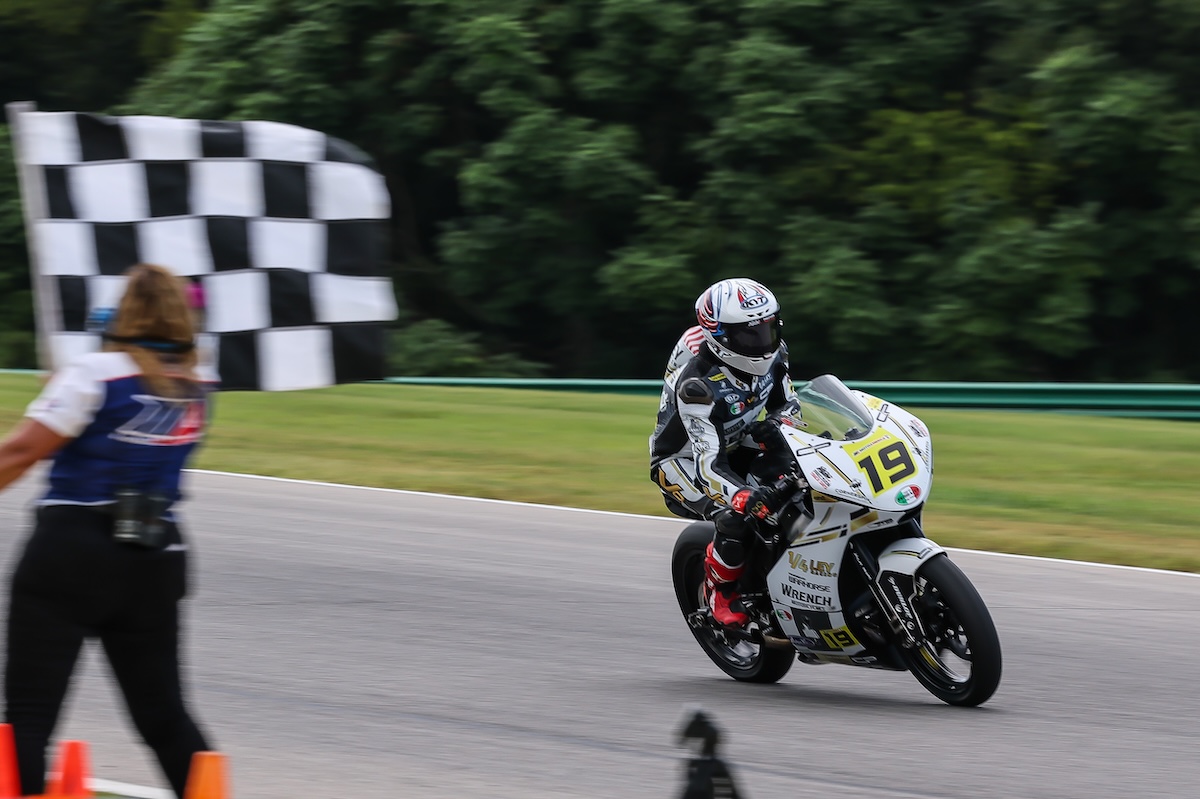
If an American school earns the seal, it would sit beside the MotoAmerica Talent Cup, which brings riders aged 14 to 21 onto matched 350cc bikes, and give younger riders a clear step toward it.
Manufacturers are building their own routes too, such as the Ducati V2 Future Champ Academy, a single-brand trophy created with Michele Pirro and Garage 51. The MotoGP Academy could run alongside those routes and give families another way in.
What Comes Next for the MotoGP Academy
Schools that want to apply can email info@motogpacademy.com. The first schools to earn the seal will show which countries come first and what kind of schools qualify, and each one becomes a local home for MotoGP in its region. Because bigger markets can have several Academies, a country with a deep riding community could end up with more than one.
About The Author