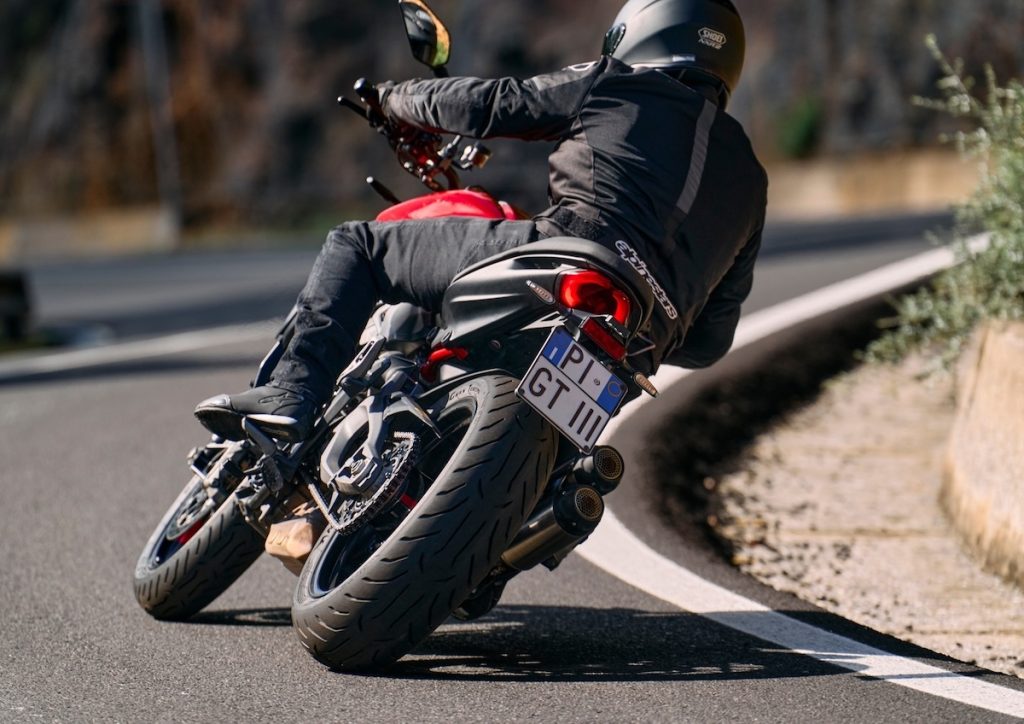

The Pirelli Angel GT III arrives in early 2027 as the first new Angel sport-touring tire in almost eight years. Pirelli built it around three goals: lighter steering, more confidence on wet roads, and a feel that stays the same as the tread wears down.
The Angel GT II launched in April 2019 as the successor to the Angel GT, which makes the Pirelli Angel GT III the family’s fourth generation, after the ST, GT and GT II. Pirelli aimed it at mid- and large-displacement sport tourers, crossovers and naked bikes, riders who want sporty handling and long-distance comfort from one tire.
What the Pirelli Angel GT III Changes From the GT II
Pirelli calls the first goal soft handling: a bike that turns in more intuitively and feels less demanding, in daily use and on long days, without losing the steering precision of its sport tires.
The second goal is wet-road confidence and the third is consistency. The tire is designed to hold the same feel as it wears, which riders notice late in a tire’s life, when the profile has changed and the bike starts to turn differently.
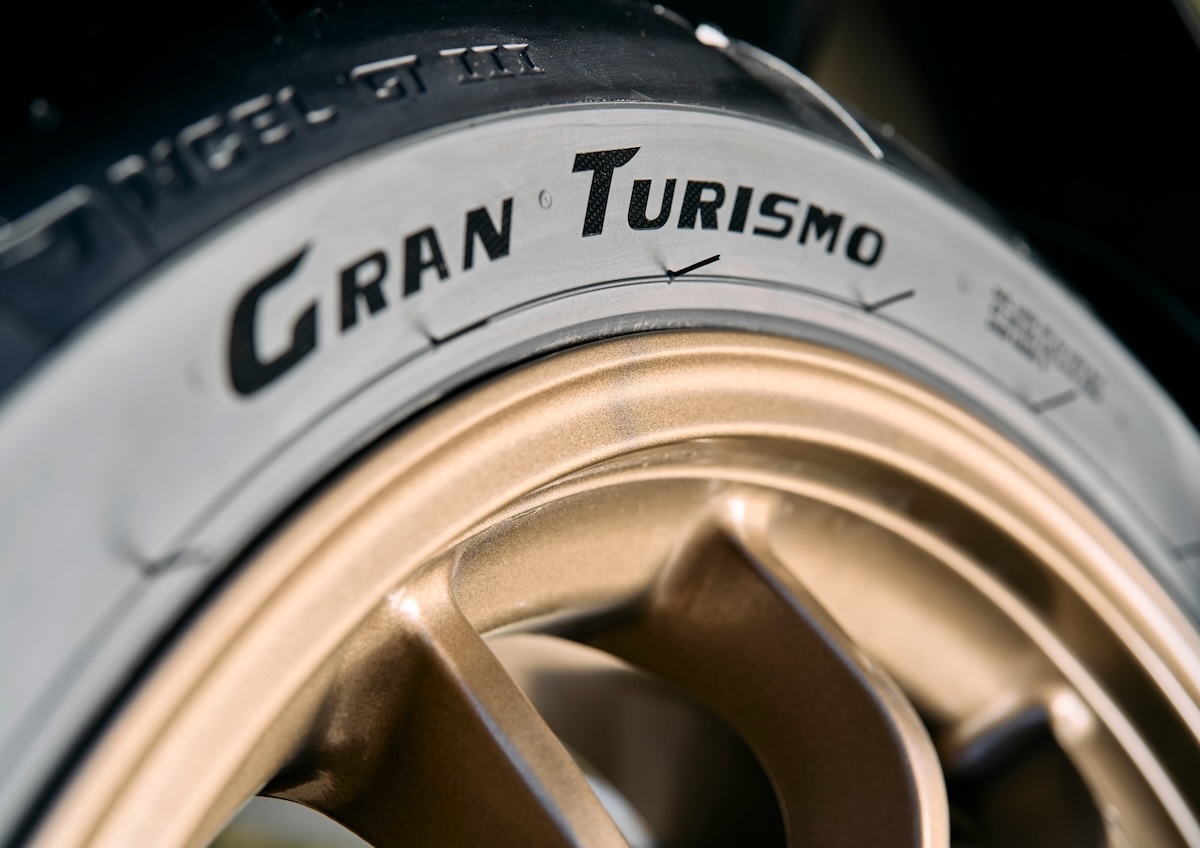
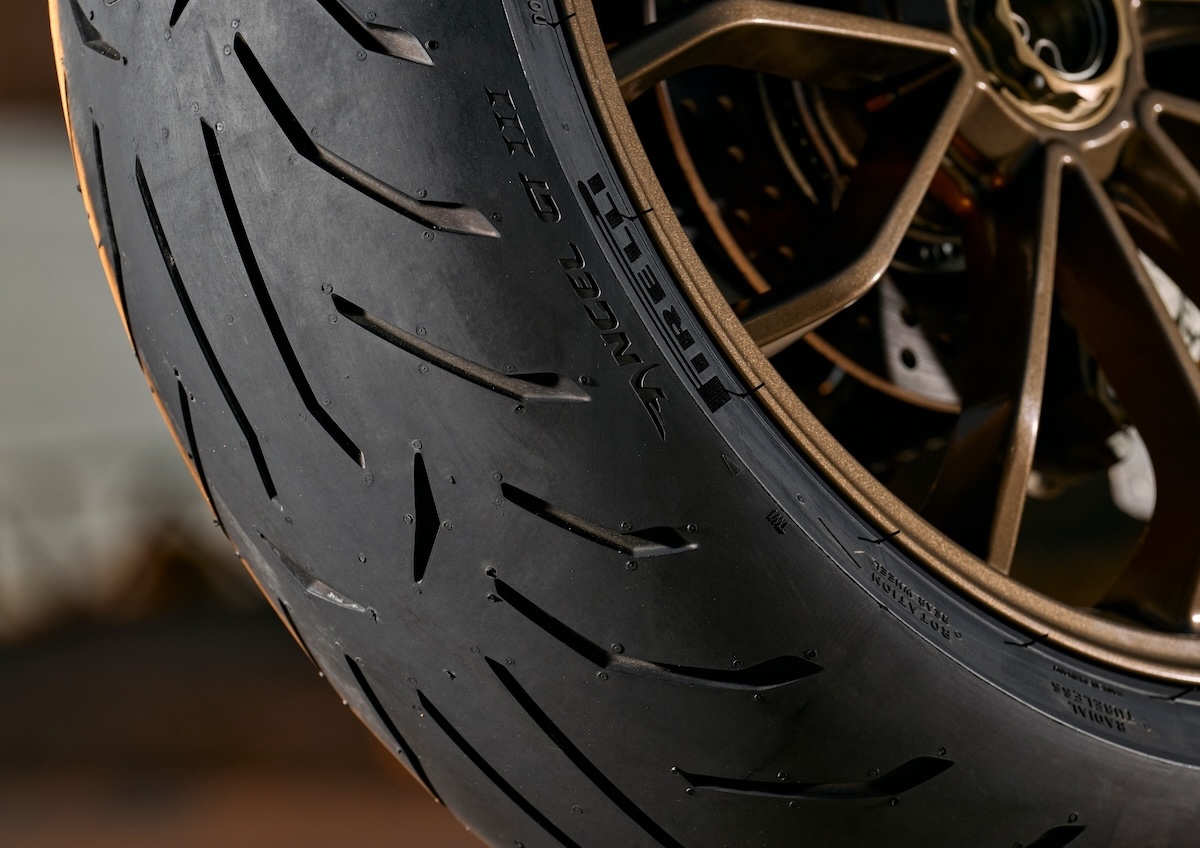
The rear gets a new tread pattern for durability and lower rolling noise. Less noise cuts fatigue on long rides, and the pattern keeps the Angel family’s look. The sidewall goes high contrast, with the Angel symbol and Gran Turismo lettering.
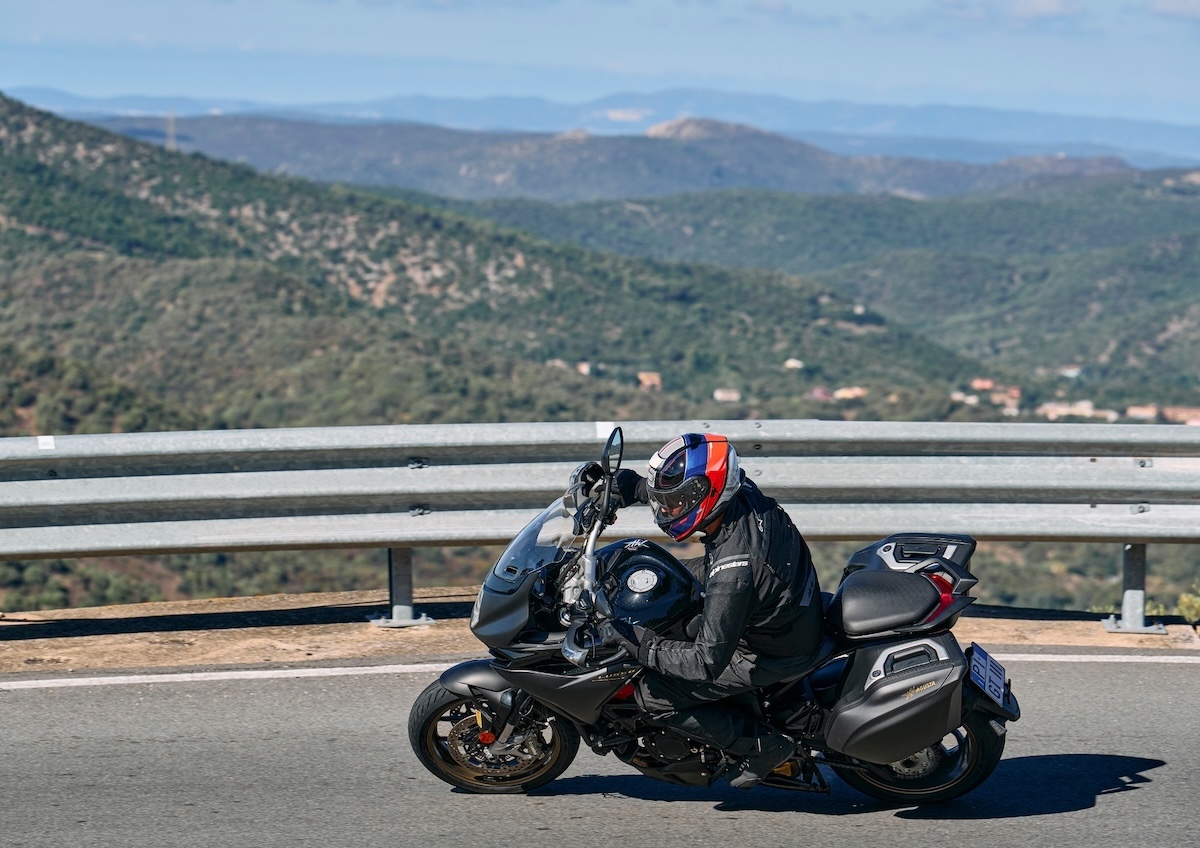
Where the Pirelli Angel GT III Gets Its Sporting Character
The GT II’s tread pattern came from WorldSBK intermediate race tires, and Pirelli has been the series’ sole tire supplier for more than two decades under one motto: “We sell what we race, we race what we sell.” The same thinking produced the Diablo Supercorsa V4 in 2023.
What Riders Should Expect From the Pirelli Angel GT III
My read is that this is a refinement. Pirelli is not changing what an Angel is. It is making the GT II easier to turn, quieter at the rear and more consistent as it wears, and for anyone running a GT II on a loaded sport tourer, those are the right three things to improve.
Eight years is a long gap in this class, and the GT III has one claim to prove over a full season: that a rear tire can get quieter and keep its feel as the tread wears. Riders will judge that in the last quarter of the tread, not the first 500 miles.
About The Author