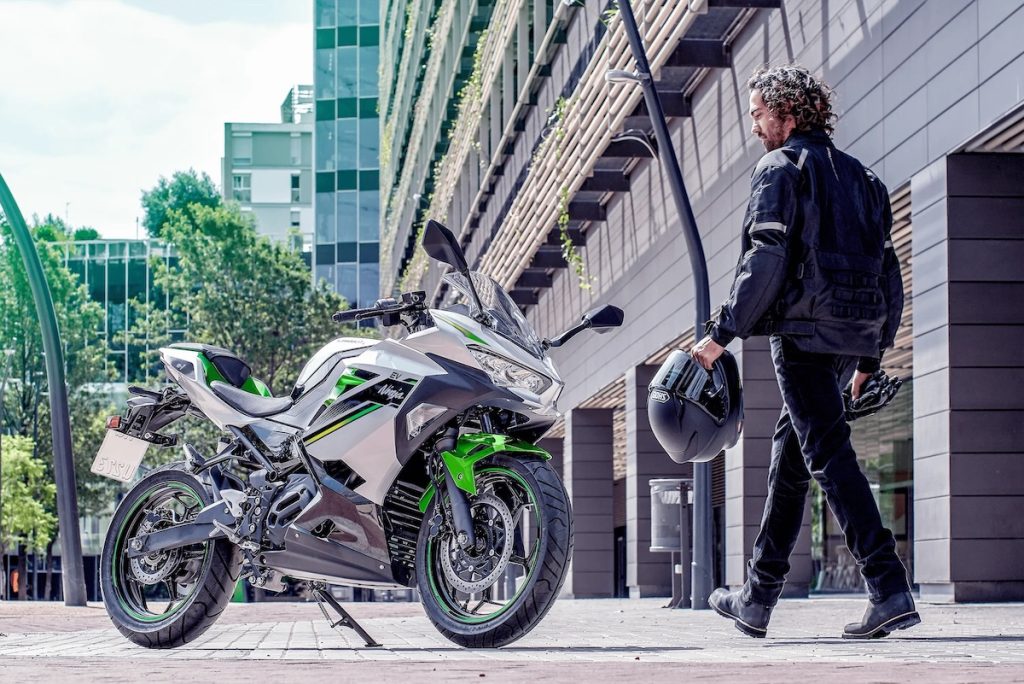
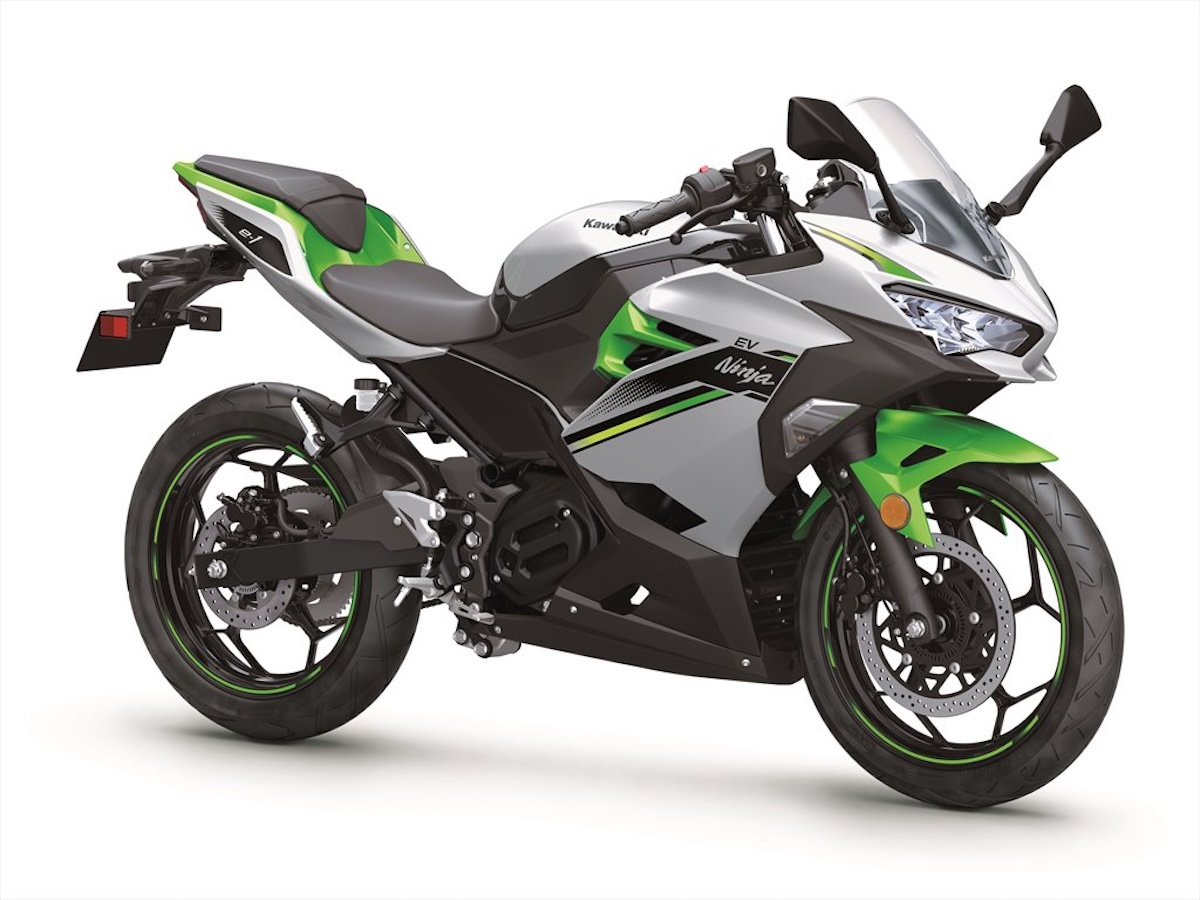
The 2027 Kawasaki Ninja e-1 ABS returns to the lineup with dealer reservations opening October 23, and its base MSRP holding flat at $7,899 — a real point of stability at a moment when most 2027 model-year sportbikes have seen price increases rather than none at all. Kawasaki’s full-size EV sportbike is back for another year of trying to make the daily commute feel like something worth looking forward to.
The Engineering Behind the Ninja e-1 ABS’s Range
Power comes from a brushless electric motor rated at 5.0 kW, with a 9.0 kW maximum when e-boost is engaged — a 15-second function that raises top speed from roughly 55 mph to 65 mph in ROAD mode, and from 40 mph to 47 mph in ECO mode.
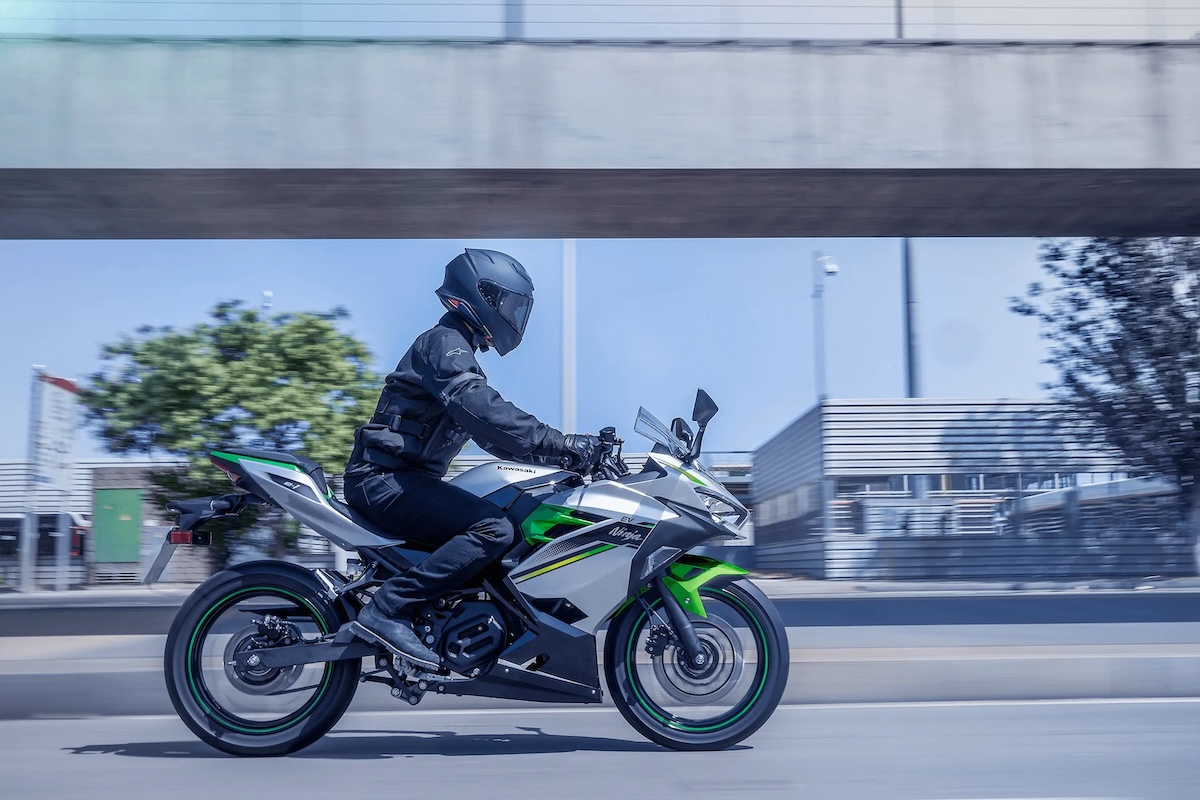
The two lithium-ion battery packs run in a parallel arrangement, which means the bike can keep running in ECO mode on a single battery if the other needs to be isolated or runs out first — a genuinely useful reliability detail rather than just a spec-sheet number.
Regenerative braking recycles energy from deceleration back into the battery to stretch range further, and charging is handled two ways: pull the batteries and charge them separately, or plug directly into the bike through its pre-installed offboard charging adapter in a dry environment. A full charge takes about 3.7 hours per battery, with a partial charge available in roughly 1.6 hours for riders who just need enough to get through the rest of a shift.
Chassis and Handling on the Ninja e-1 ABS
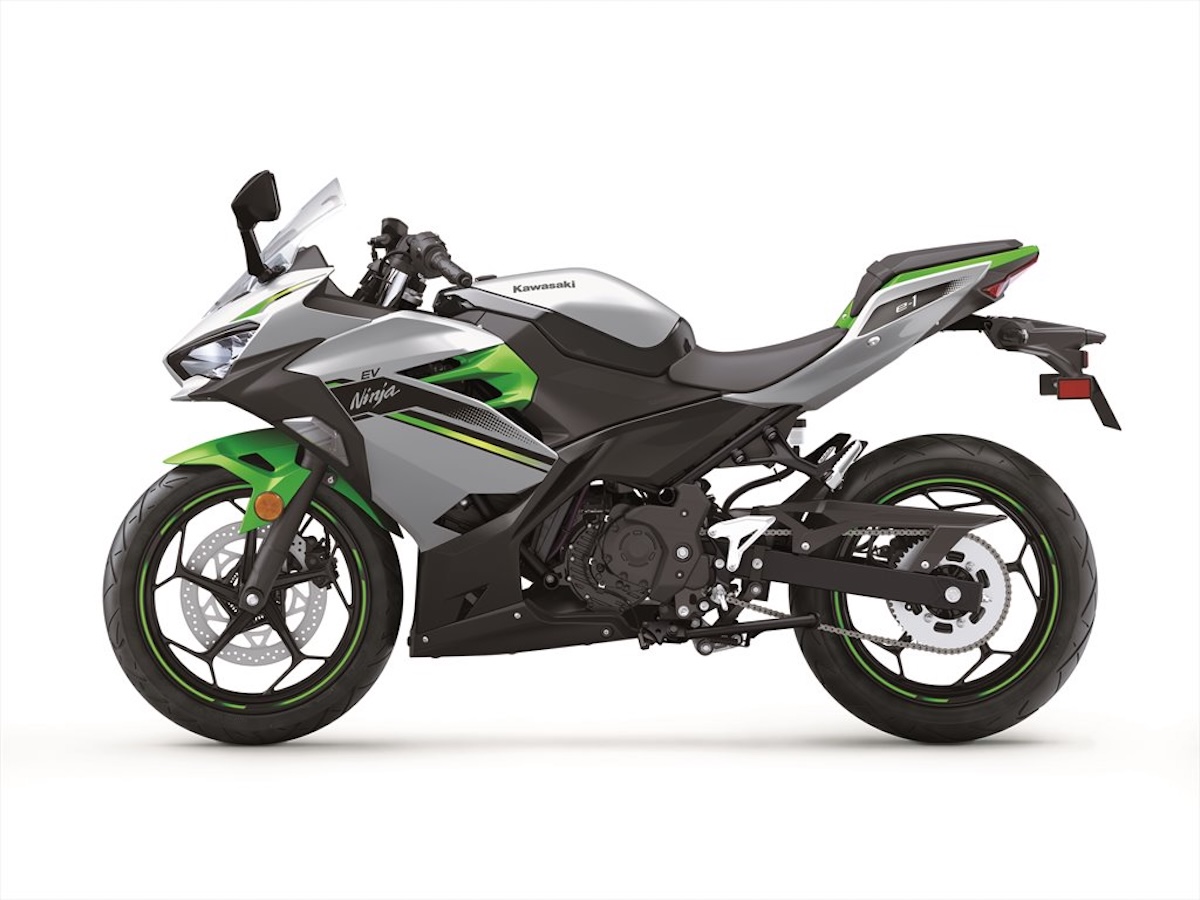
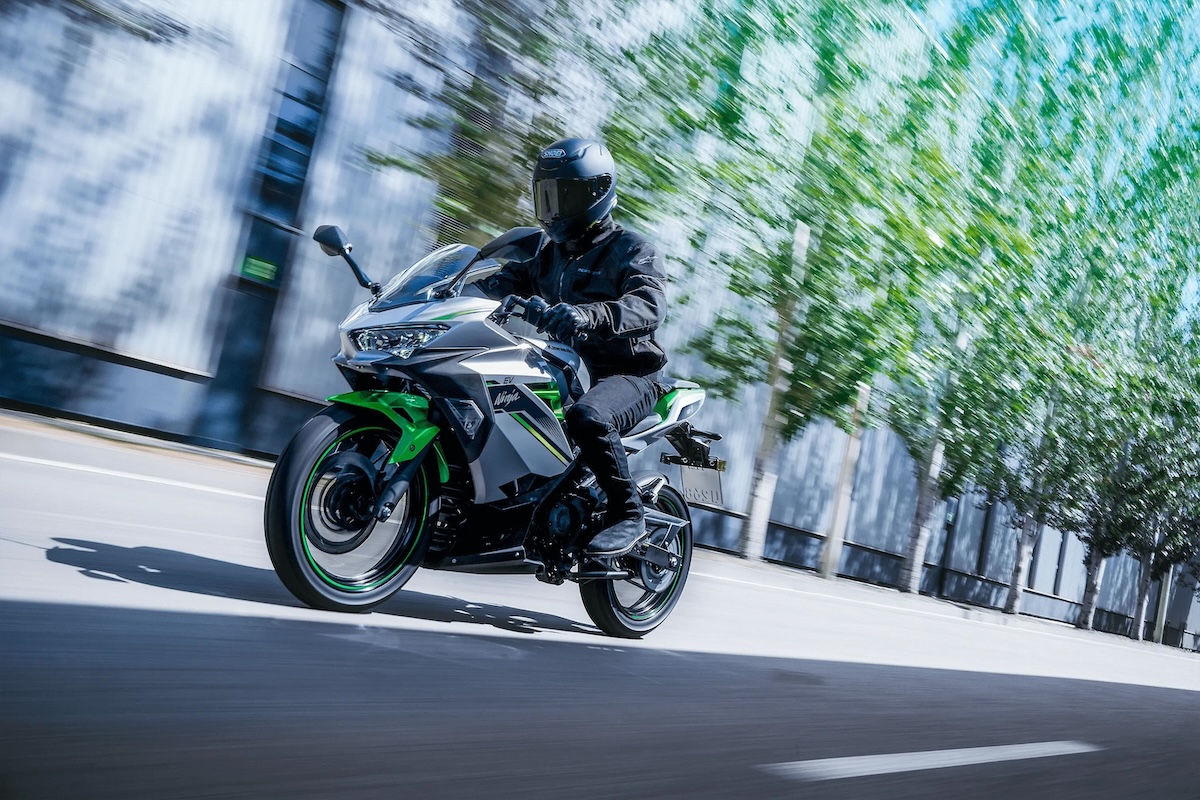
The trellis frame borrows its design language from Kawasaki’s flagship Ninja models, built through the same dynamic rigidity analysis process used across the rest of the lineup rather than a simplified EV-specific structure. A 41mm telescopic front fork and Uni-Trak rear suspension handle the road, while a 290mm front disc and 220mm rear disc, both paired with a Nissin ABS control unit, handle stopping.
Inside the cockpit, a 4.3-inch TFT display with built-in Bluetooth connects to Kawasaki’s Rideology app, and WALK Mode with reverse makes low-speed maneuvering in parking lots and driveways considerably less awkward than wrestling a 308.7-pound motorcycle by hand.
The Ninja e-1 ABS’s Role in Kawasaki’s EV Lineup
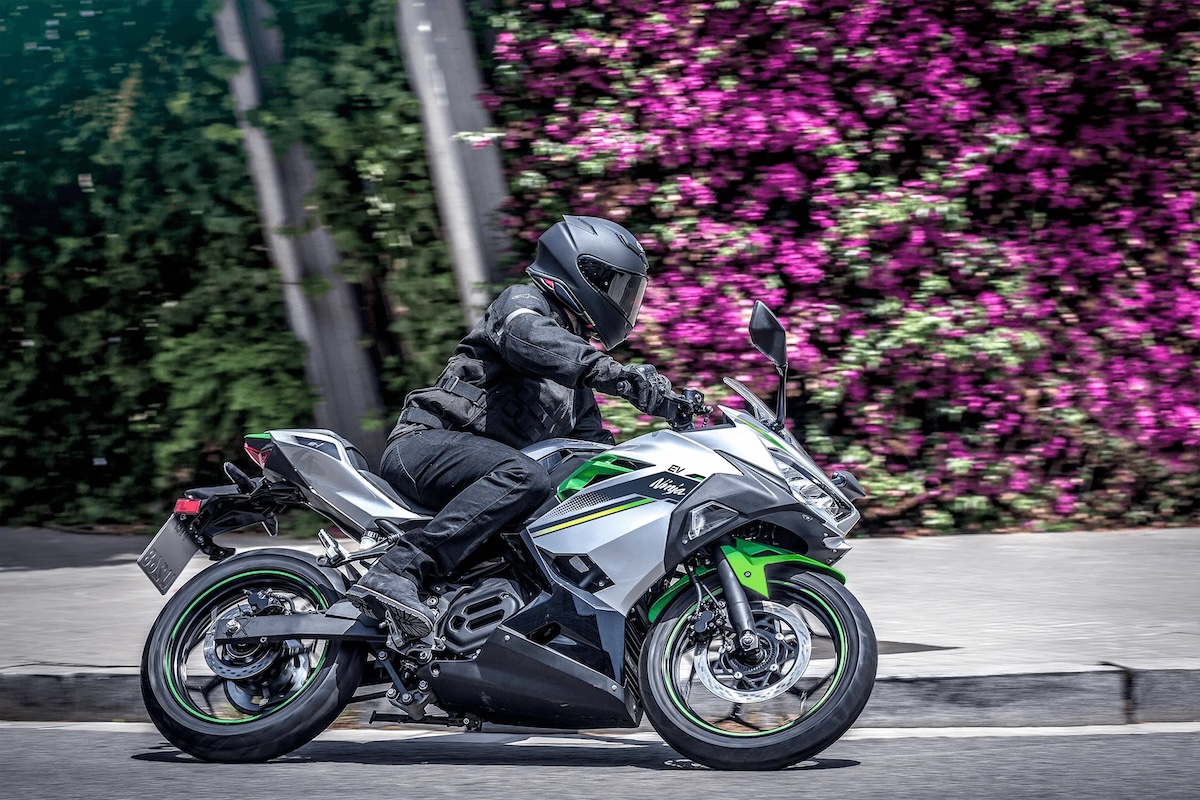
Kawasaki holding this price flat is worth reading as a deliberate choice, not an accident. The company has spent the past few seasons layering real engineering into the e-1 platform — regenerative braking, redundant single-battery operation, dynamic rigidity analysis on the frame — without asking commuters to pay more for any of it.
That’s a meaningfully different strategy than what we’ve seen elsewhere in Kawasaki’s 2027 range, and it positions the e-1 alongside the Ninja 300 ABS as one of the more approachable entry points into the brand rather than a premium EV experiment priced to match the novelty.
Whether that pricing discipline holds as EV motorcycle competition increases, or whether the e-1’s next redesign finally brings a real price jump with it, is the more interesting question than anything on this year’s spec sheet. For now, riders who’ve been curious about an EV commuter without wanting to gamble on an unproven brand have another year to buy in at the same number Kawasaki has been asking for years.
About The Author