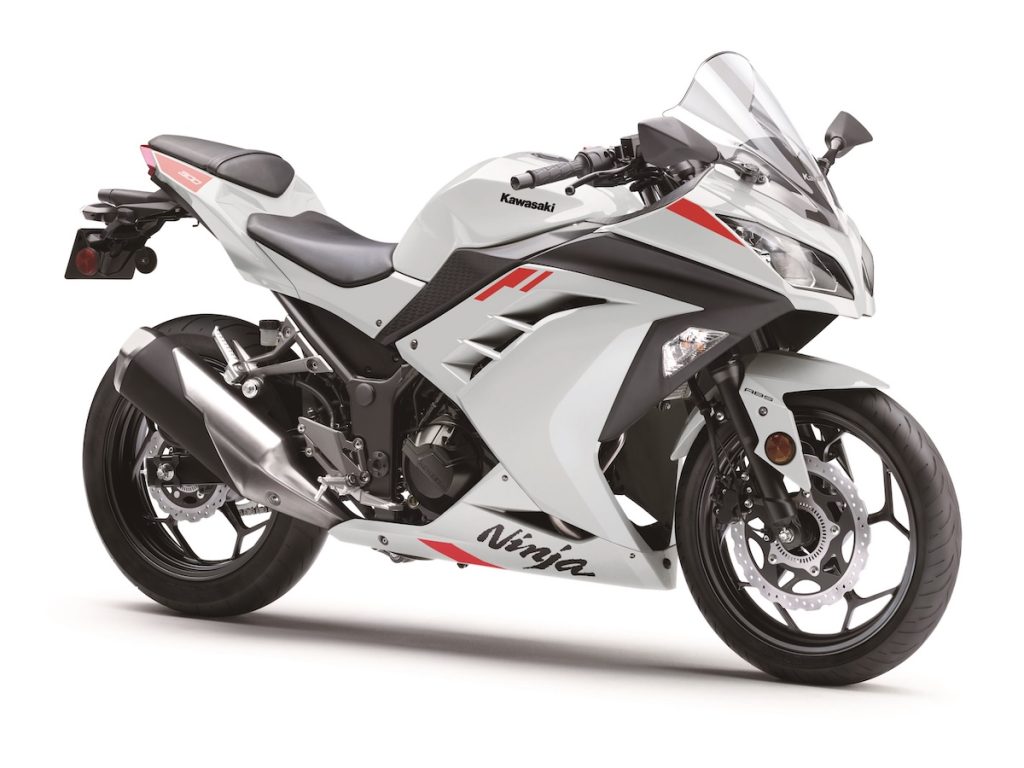

The 2026 Kawasaki Ninja 300 ABS is back. After time away from the lineup, Kawasaki has returned one of the most storied names in entry-level sportbike history with all the credentials intact — a 296cc liquid-cooled parallel-twin, Assist & Slipper Clutch, standard ABS, and a chassis philosophy drawn directly from the Ninja supersport family. At $4,999, it resets the benchmark for what an accessible sportbike can be.
The Ninja 300 has always punched above its displacement. That reputation was built on genuine engineering rather than marketing, and the 2026 model upholds it from the ground up. Kawasaki built the bike around a steel-tube diamond frame with high-tensile gusseted main tubes — the same structural philosophy that underpins its larger supersport machines — and paired it with a powertrain that borrows directly from the top of the range.
2026 Kawasaki Ninja 300 ABS Engine and Performance
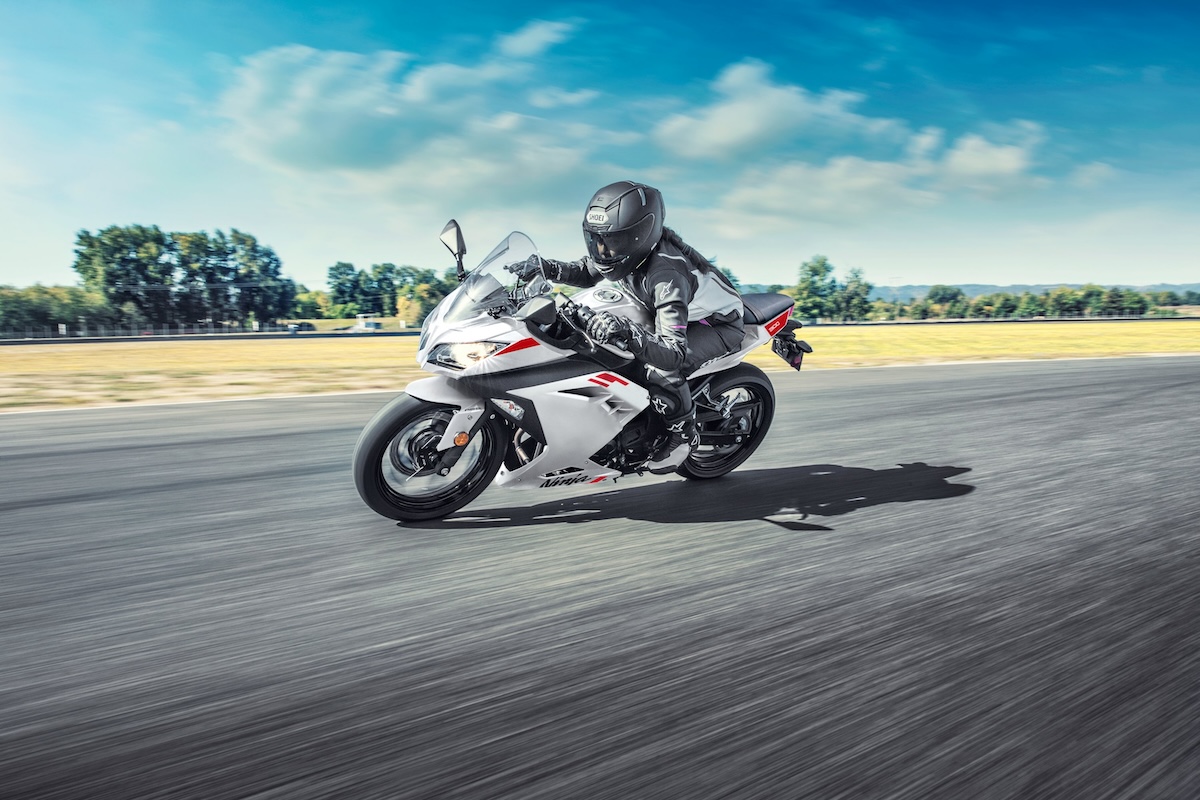
The 296cc parallel-twin runs a 62.0 x 49.0mm bore and stroke with a 10.6:1 compression ratio and a 13,000 RPM redline — numbers that signal a proper high-revving sportbike engine, not a softened commuter unit. Flat-crown lightweight pistons with hard alumite coating and an underside oil-cooling groove share engineering DNA with Kawasaki’s ZX-series machines. The sleeveless die-cast aluminum cylinder with plated bores is the same open-deck design used in the Ninja ZX-10R and ZX-6R — that’s not a small detail on a $4,999 motorcycle.
Fuel delivery runs through dual throttle valves — 32mm main and 40.2mm sub — with fine-atomizing injectors producing droplets as small as 60 microns for clean, efficient combustion across the rev range. A stainless steel 2-into-1 exhaust with large header pipes and a single honeycomb catalyzer keeps low-to-mid-range torque strong, while a balancer shaft, partial rubber engine mounts, and tuned crank web geometry manage vibration without sanitizing the riding character.
Kawasaki’s Assist & Slipper Clutch — developed with racing feedback — completes the powertrain package, offering a light lever feel in normal operation and back-torque reduction under aggressive downshifts. On a machine aimed at developing riders, that’s a meaningful safety and confidence asset.
2026 Kawasaki Ninja 300 ABS Chassis, Suspension, and Braking
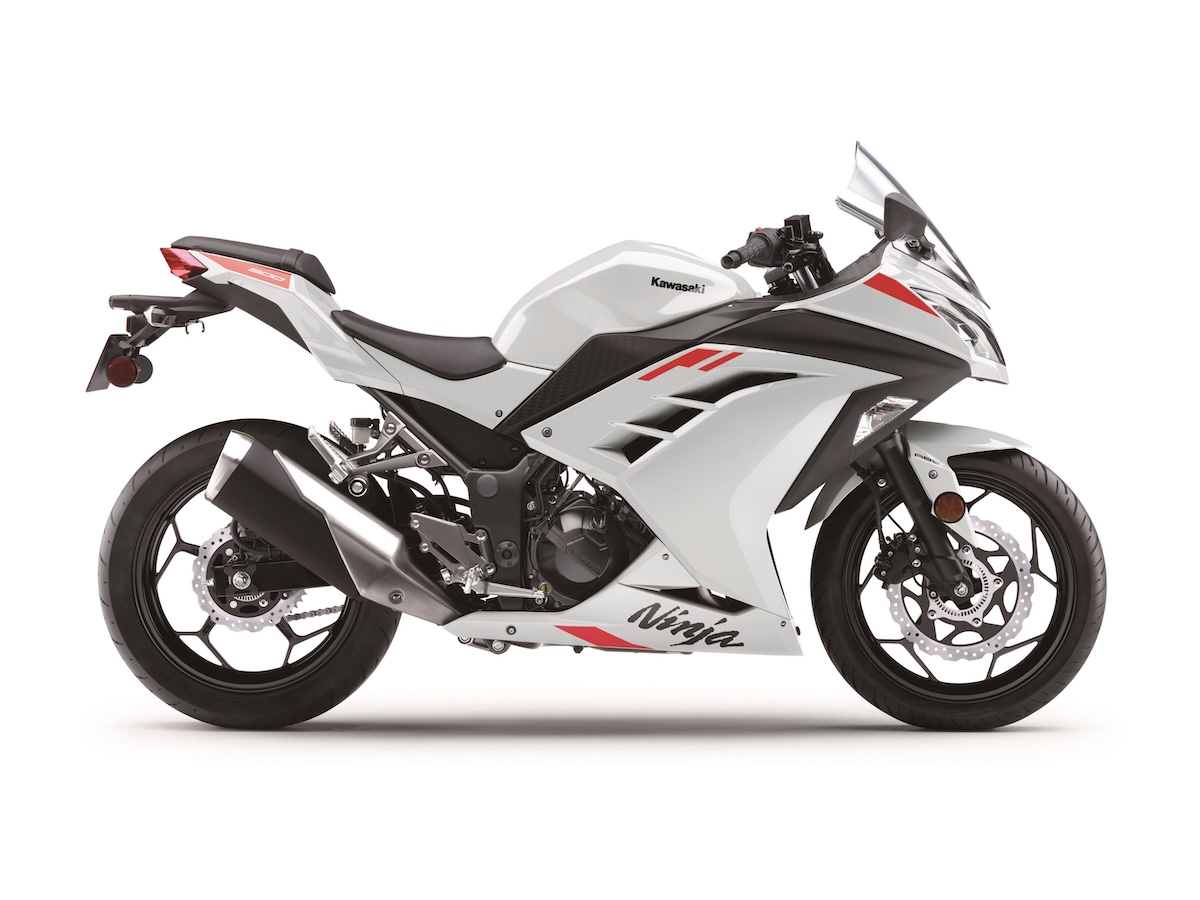
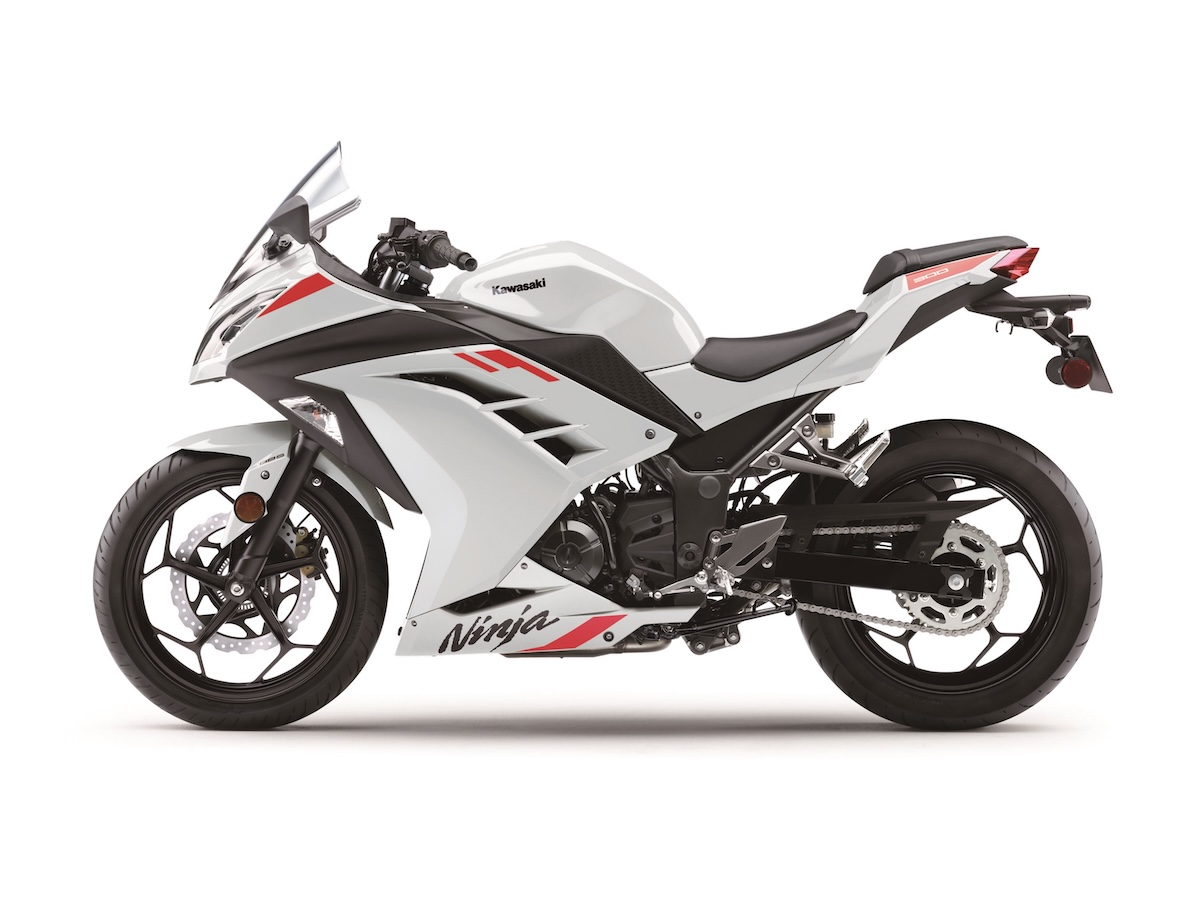
The chassis runs a 37mm telescopic front fork tuned for the dual demands of city riding and corner-entry composure, working alongside Kawasaki’s Uni-Trak® rear linkage system with a five-step preload-adjustable shock. Both ends are calibrated with that same dual-purpose brief — absorbent over rough surfaces, firmer and more communicative under load in corners.
Braking comes from a 290mm front petal disc with a dual-piston caliper and a 220mm rear petal disc with a two-piston caliper — the same petal disc format used on Kawasaki’s full-size supersport bikes. ABS is standard. Ten-spoke wheels carry a 110/70-17 front and 140/70-17 rear tire combination, providing the grip and stability geometry the chassis was designed around.
2026 Kawasaki Ninja 300 ABS Styling and Ergonomics
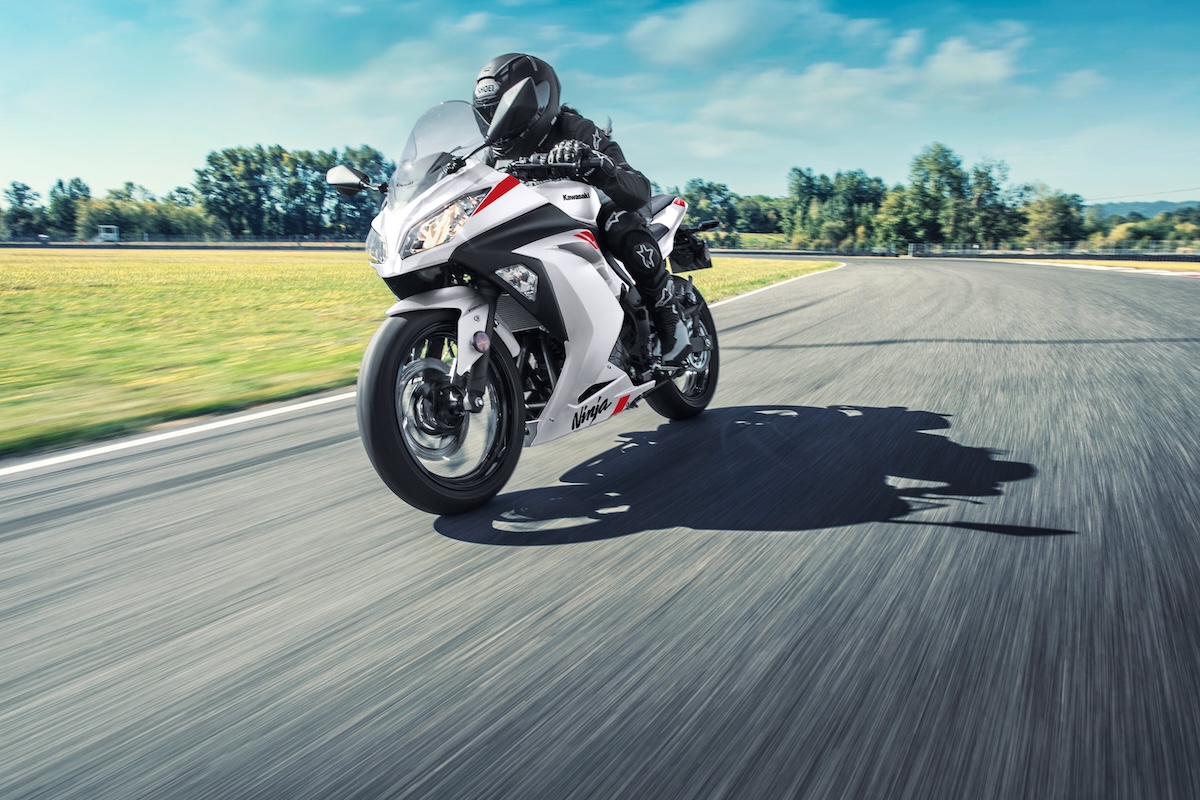
Visually, the 2026 Kawasaki Ninja 300 ABS reads unmistakably as a Ninja. Large-volume bodywork, aggressive dual headlights, a floating windscreen mounted on mirror stay bolts, and a minimalist tail cowl all echo the broader family lineage. Kawasaki reduced visible fasteners through a combination of hooks, push rivets, and selective bolts — the fit-and-finish reads premium in a segment where that’s not always guaranteed.
The ergonomics place the rider in a slightly forward position via wide raised handlebars that keep steering light and responsive without the full commitment of a race tuck. A 30.9” seat height, combined with a seat that narrows near the tank for easier ground reach, makes the bike accessible across a wide range of rider heights without compromising the sportbike feel. The fuel tank holds 4.4 gallons. The 2026 Kawasaki Ninja 300 ABS is available now in Pearl Blizzard White at $4,999.

About The Author

Discover more from SportBikes Inc Magazine
Subscribe to get the latest posts sent to your email.